Albi, France – Where another little art history story began
A short commute from Toulouse is Albi, the home of Henri de Toulouse-Lautrec, one of art history’s biggest little people. This post describes Albi’s history and attractions including the Toulouse Lautrec Museum. (2 min read)
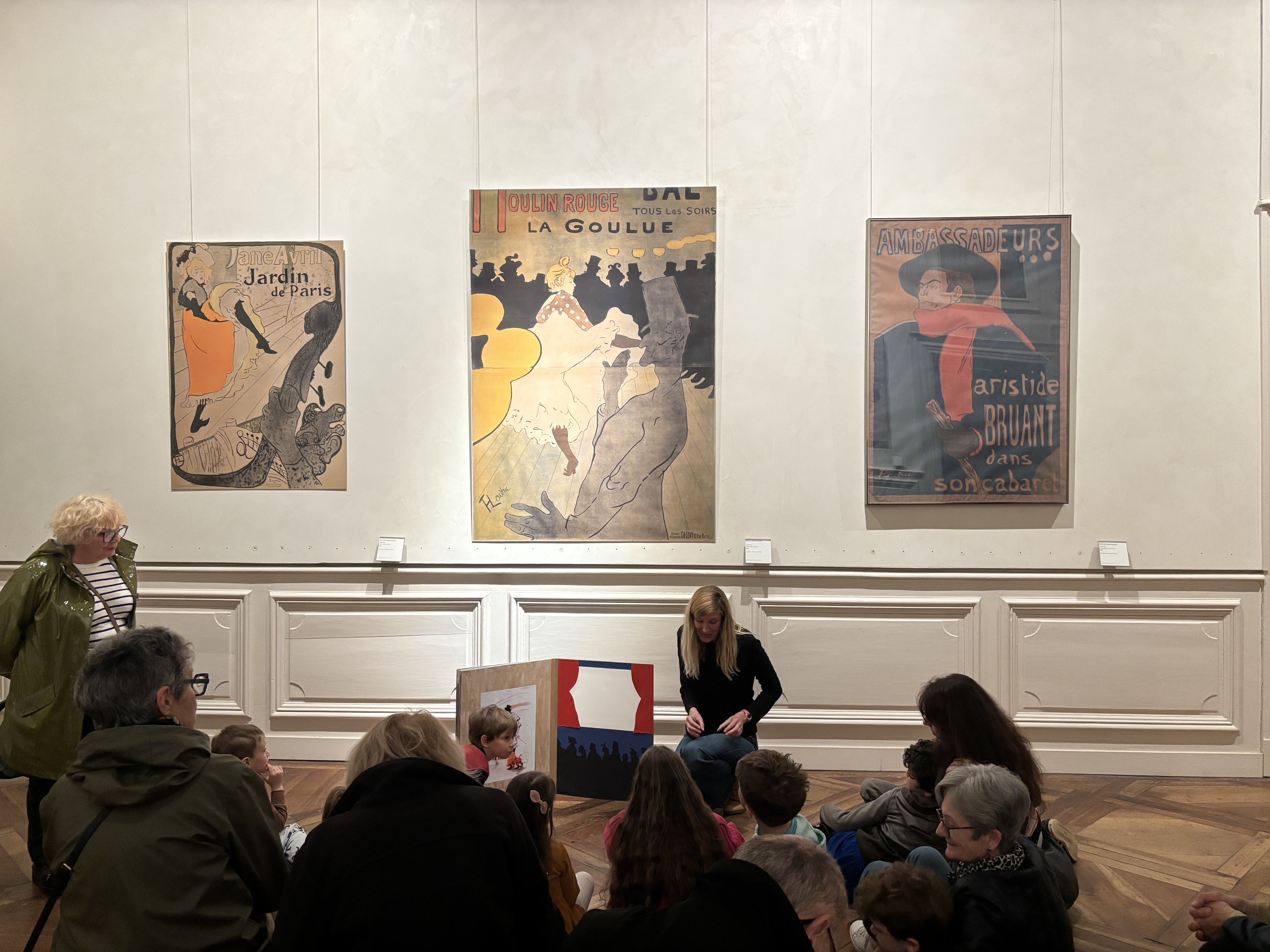
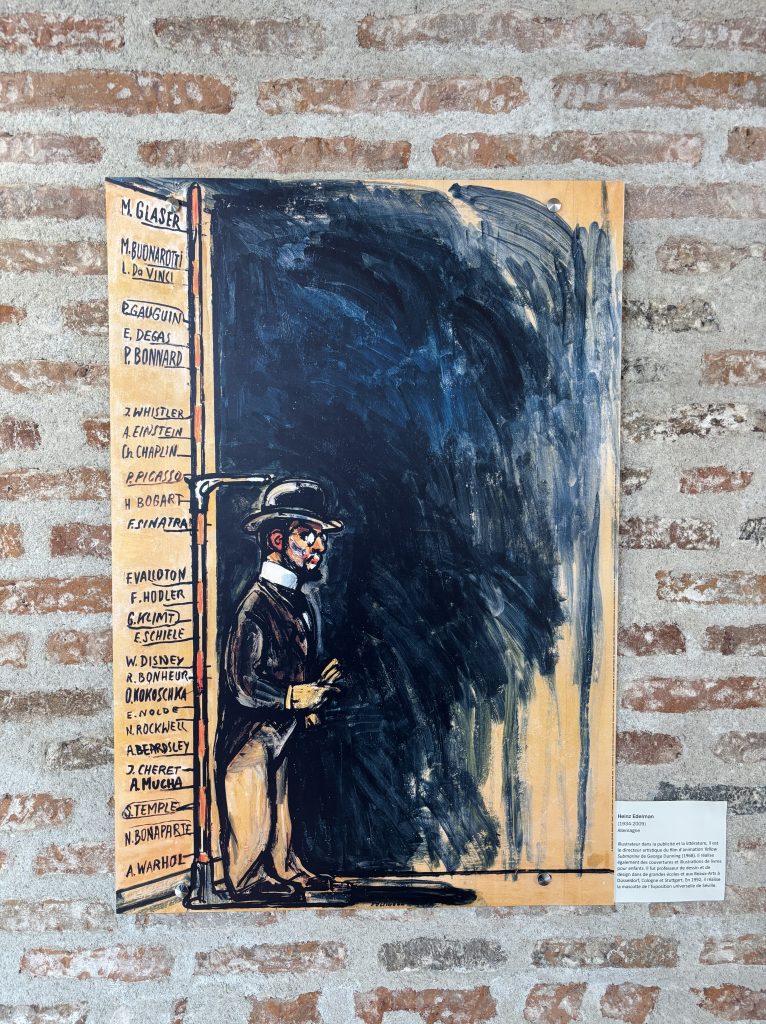
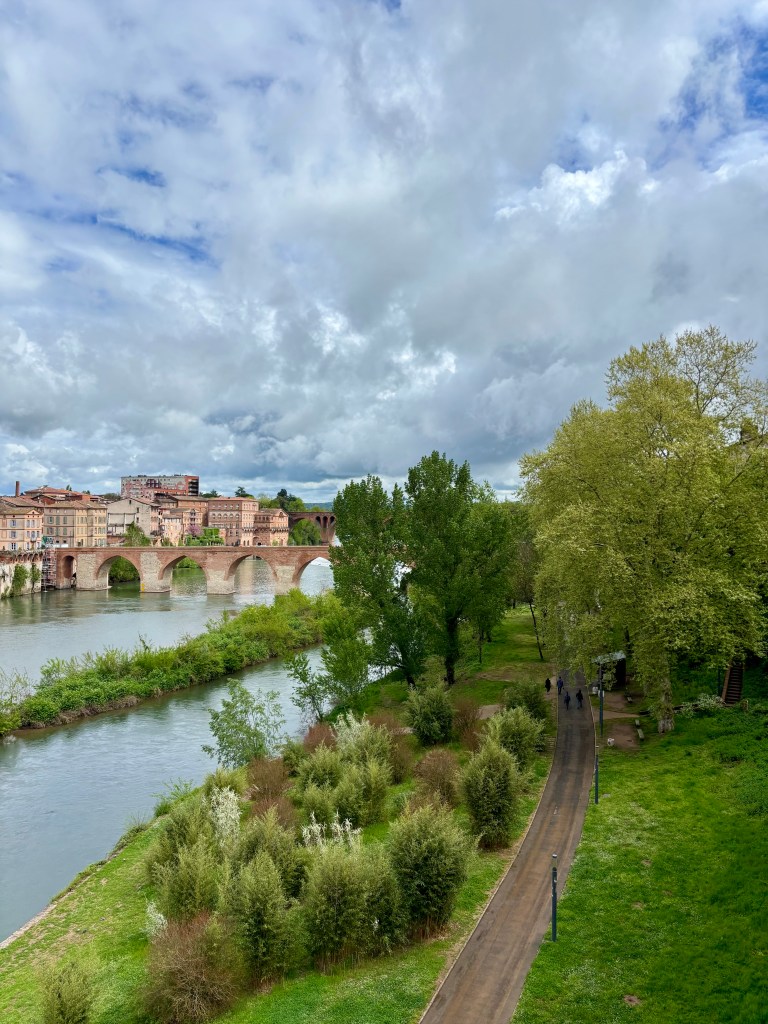
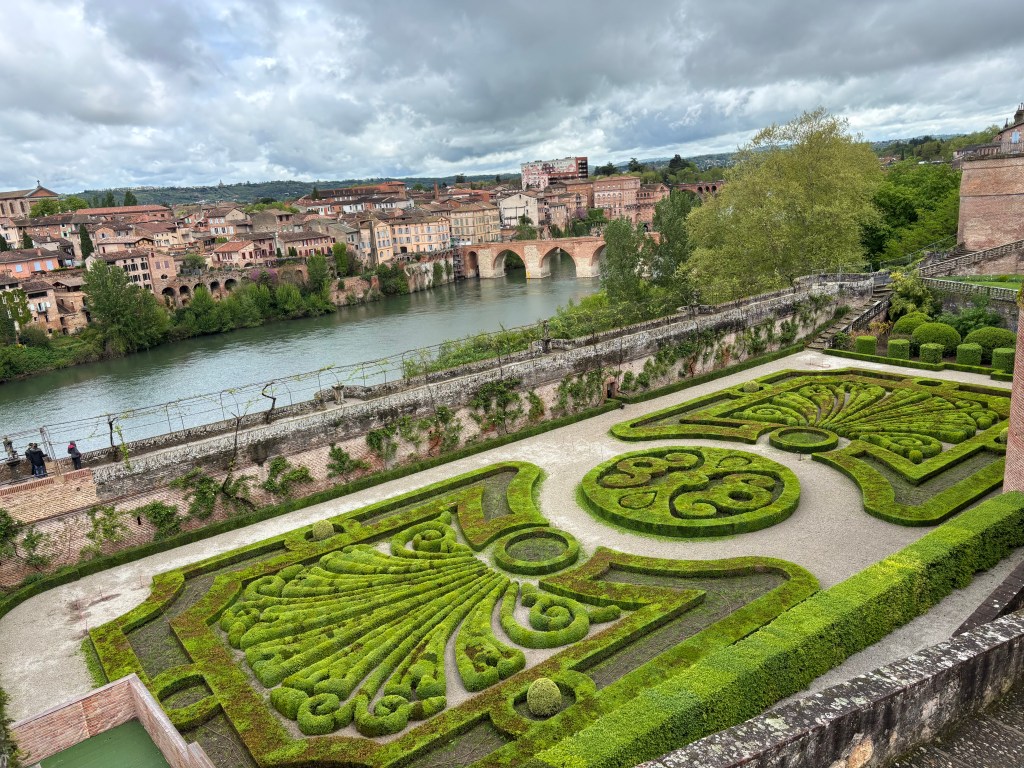
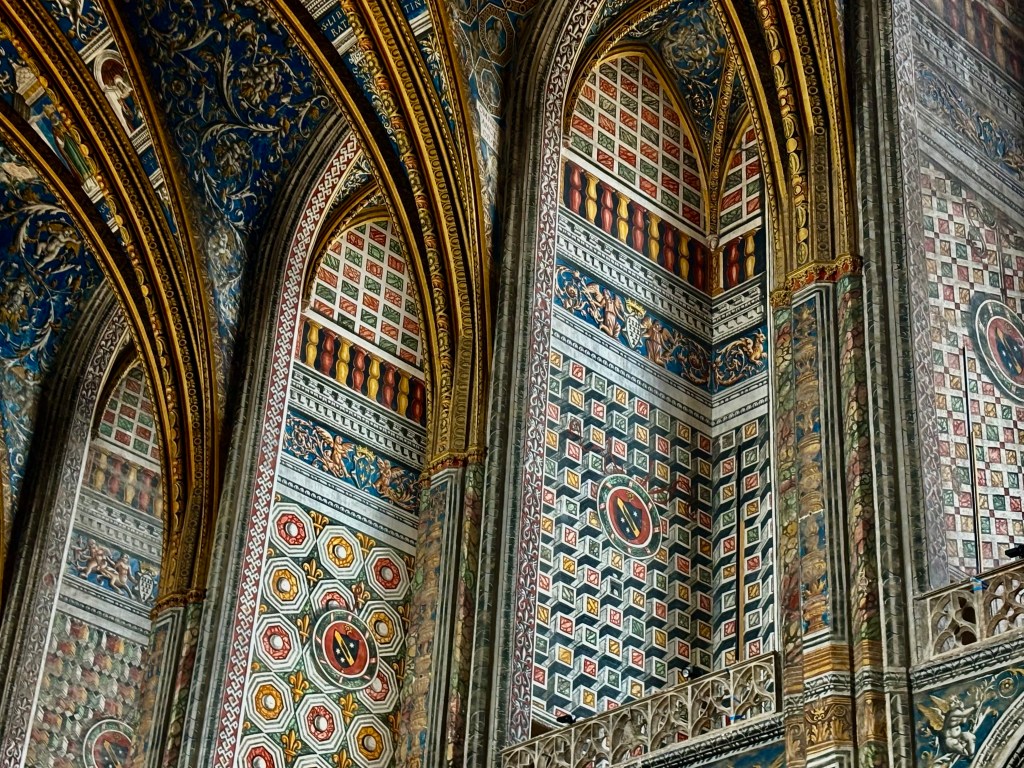
The train from Toulouse takes about forty minutes, and Albi announces itself from a distance as a city of brick — warm, rust-red brick that the afternoon light turns almost amber. I had come for one reason above all others: the Musée Toulouse-Lautrec, housed in the Palais de la Berbie, a fortress-palace that rises sheer from the bank of the Tarn. The river was high and green, the cathedral of Sainte-Cécile loomed over everything like an argument that had been going on for seven centuries, and the whole ensemble had the slightly improbable grandeur of a city that punches well above its population. Henri de Toulouse-Lautrec was born here in 1864, into an aristocratic family of considerable antiquity and, it seems, considerable eccentricity. His childhood was shadowed by serious illness and by injuries — fractures to both legs in his early teens — that left him with the torso of a grown man and legs that never properly grew. His adult height was roughly 1.52 metres, just under five feet. He moved to Paris in his early twenties and made Montmartre his world: its cabarets, its theatres, its music halls, its brothels. He was by most accounts intensely social within those circles — curious, generous, tireless in his observation — yet he could also be isolated and difficult in ways that people around him found hard to navigate. In his final years, illness, declining health and alcoholism drew him inward. He died in 1901, thirty-six years old, back in the south-west from which he had started. What the museum does exceptionally well is resist the temptation to reduce Henri de Toulouse-Lautrec to his most famous images. Yes, the lithographs and posters are here — the Moulin Rouge silhouettes, the theatrical compositions that more or less invented modern graphic design — and they are as compelling as advertised. But the rooms that stay with you are the earlier ones, which trace the full arc of his development as a painter. The portraits are serious, probing works; the studies of light and movement in interior scenes show a painter with a genuinely refined eye. To encounter Henri de Toulouse-Lautrec the painter, rather than only Henri de Toulouse-Lautrec the poster artist, is a quiet revelation. The companion exhibition, in which other artists depicted or responded to Henri de Toulouse-Lautrec himself, adds an interesting counterpoint — the observer observed, the chronicler chronicled. It is thoughtfully curated and worth the time. Albi’s historic centre, a UNESCO World Heritage Site, rewards an hour or two of wandering after the museum. Sainte-Cécile Cathedral is extraordinary in scale and southern Gothic severity; the Palais de la Berbie gardens offer a calmer vantage over the Tarn. The city is small enough to feel knowable, large enough to hold surprises. As day trips go, it is one that earns its fare.
Namaste.
You might also like:
© Paul McCarthy & Iluminar.au

