
Where the Coogee coastline is coming back to life
South of Coogee Beach, on the famous coastal track, lies one of Sydney’s last remaining coastal wetlands — a small, quietly extraordinary place being coaxed back to life. A short detour well worth your time. (3 min read)
Most visitors to Sydney experience the iconic cliffside walk from Bondi Beach to Coogee at least once. Added to these millions are the locals who regularly use it for exercise and recreation. But if you are fortunate enough to be staying in Coogee, there is another delight filled coastal walk – south towards Maroubra and then Kamay Botany Bay National Park. Most visitors stop at Coogee. The locals know to keep walking.
From the southern end of Coogee Beach (where the Ross Jones Pool and Surf Lifesaving Club are located) you follow a paved coastal track uphill a little, past the Women’s Pool, past Wiley’s Baths and keep walking through Trenerry Reserve (the off-leash dog park with its superb view of Wedding Cake Island) until you reach a timber boardwalk. Then take a deep breath, look and listen.
You are now in an extraordinary place of atonement and rejuvenation. Much of this coastline was degraded by post-invasion development. This small reserve is one attempt to correct that — and walking through it, you feel the difference.
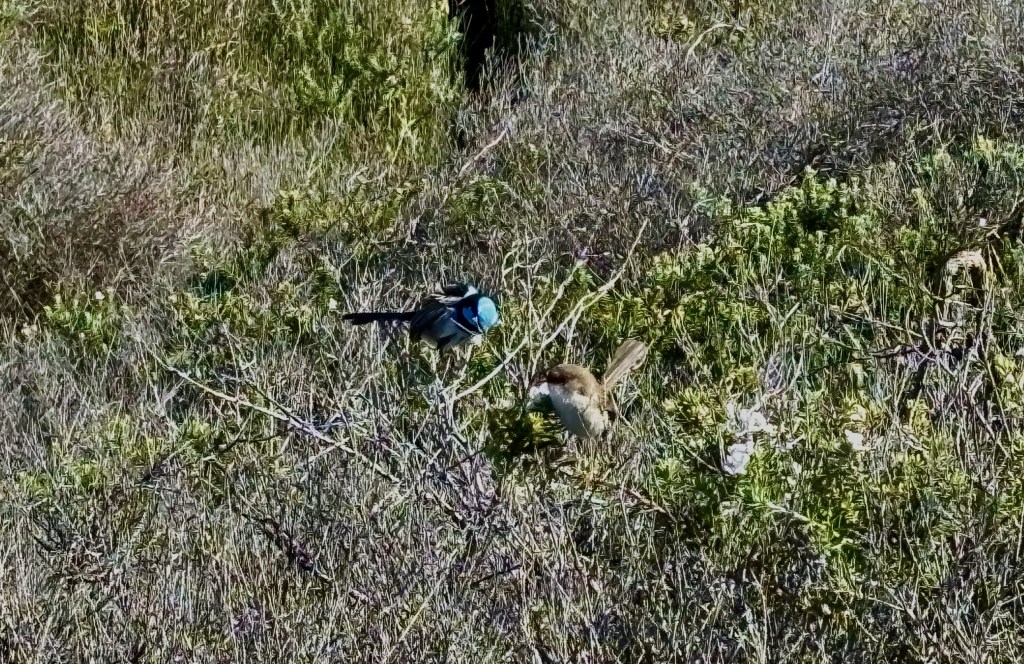
Rest a while on one of the seats facing the Pacific Ocean. Notice the interesting shapes of the sandstone cliffs in front of you – eroded by wind and water over millennia and the impressive force of the ocean. And once you settle, pay attention to the sounds behind you but don’t look yet. You will likely hear a gentle trickle of water seeping out of the bog, the croaking of a few frogs and, if you are lucky, the song of the sweetest little birds.
When you are ready, take a close look at what is growing behind you. It is one of the few remaining wetlands of its kind. An important ecosystem for the rehabilitation and reintroduction of native plants and creatures.
In the early 1990s the Council undertook a significant project to regenerate the area, supporting native plants to thrive, removing introduced species and creating a boardwalk to support a natural flow of water and provide a safer footing for walkers. The Council also installed 3 excellent signs which bring the history and importance of the area to life. Here’s an excerpt from one of them:
“The low vegetation in front of you is a diverse natural wetland of rushes, reeds, sedges and herbs, growing where water collects on the rockshelf. It is important habitat for birds and frogs and contains some locally rare plant species. Most clifftops along the eastern beaches have been cleared and grassed, or covered with housing, so that there are few such wetlands left.
Yet this wetland has suffered a variety of indignities: peat cutting removed entire sections, development in surrounding areas brought invasion by weeds, a network of tracks was worn by pedestrians, bicycles and dogs, unleashed dogs caused havoc, and illegal dumping of rubbish and fill made an ugly mess.
Construction of the boardwalk in 1992 elevated people above the sensitive wetland so that it could be rescued and regenerated, along with the surrounding heathlands. The worst weeds were the water weed (Salvinia molesta) and tenacious vines such as Morning Glory entwined over and around the native plants.
Weeding a wetland posed some special problems. Roots clung into the mud of waterlogged soils and it required great patience to remove weeds without damaging the small densely packed natives. Weeds continue to be a problem with seeds brought in by water, wind and birds. Fertilised by run-off from gardens and nutrient-laden dog droppings, they grow quickly.
Regenerators were also careful to avoid disturbing Golden-headed Cisticolas (fan-tailed warbler) which use the wetland during breeding. These birds are becoming quite rare around Sydney because they like low swampy ‘untidy-looking’ vegetation which is often filled for development or cleaned up to make a neat park. Cheeky male Cisticolas sit and call from the top of tall Typha reeds in spring and summer. When the Typha dies down over winter, the Cisticolas move elsewhere and work can be done.
Respect the birds and help this important wetland habitat grow back by staying on the boardwalk keeping dogs on a leash and use the special bins for their droppings.”
Be sure to pay attention to the built environment in this area too. In front of some very expensive houses, you will see the remnants of a sandstone wall that separated the old walking track from what was one of Coogee’s most impressive homes (called “Battysburg”) built in the 1880’s and destroyed by fire in 1966. There is a photo of the mansion and some information about the owners on one of the signs.
Despite excellent signage, many people quickly pass by this area on their way to the “stairs of death”, the fancy houses of South Coogee, the Ivo Rowe Pool or Maroubra Beach. All of those experiences are worth having, but there is nothing else like this little pocket on the coastal track.
Personally, I find it wonderful to spend half an hour here in appreciation for nature and those who had the vision and fortitude to save it.
Namaste.
You might also like:
→ Coogee’s origin story and the naming of Yanggaa Forest
© Paul McCarthy & Iluminar.au

