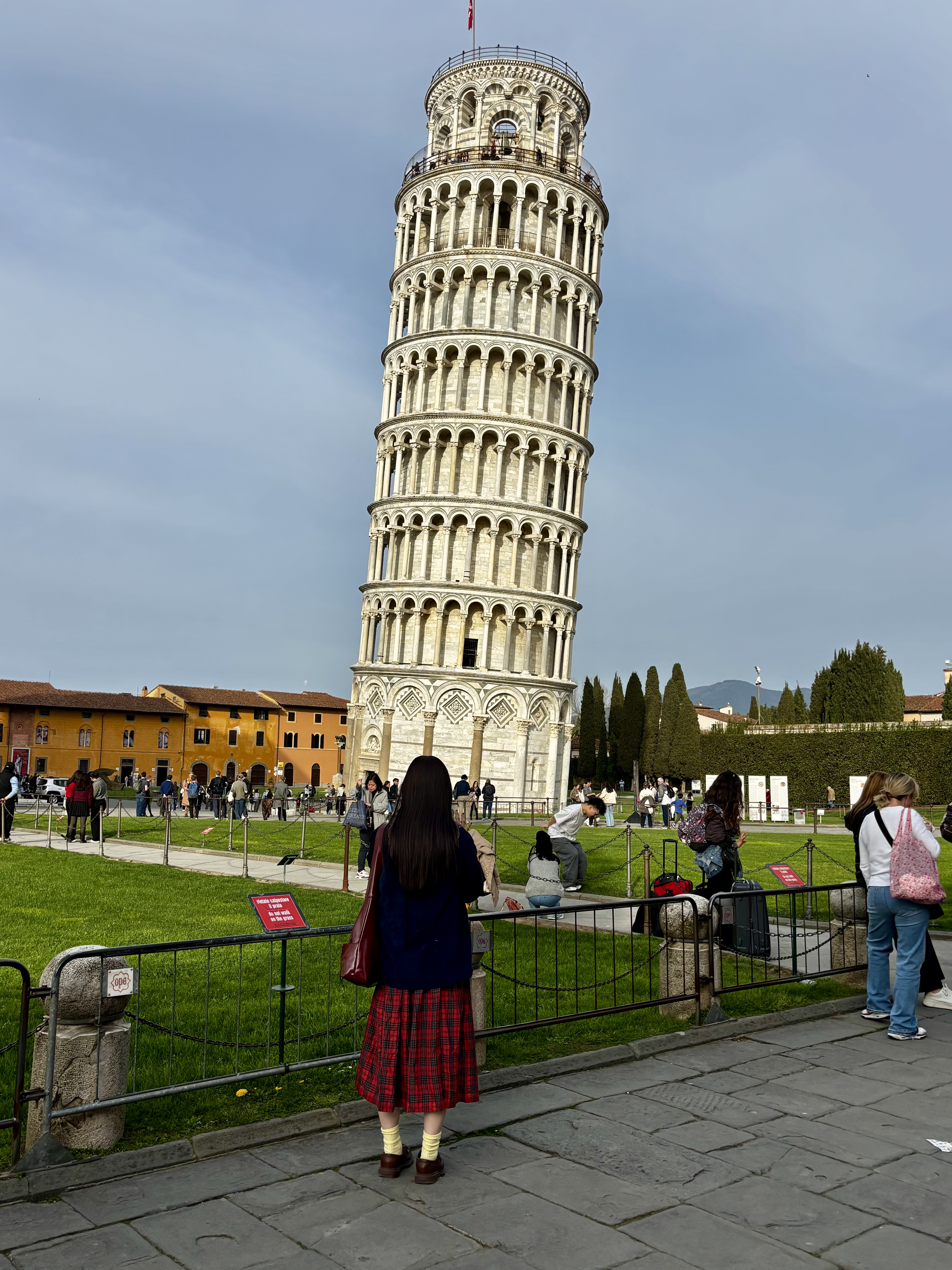
Pisa!
Pisa rewards the pilgrim as much as the tourist — four remarkable museums, the church where St Catherine of Siena received the invisible stigmata, and one of the most astonishing pieces of public sculpture I have ever seen. (5 min read)
I have posted about Pisa on Facebook. What a lovely place with history, culture and progressive politics.
I spent pretty much the whole of my first day visiting the various sites and their associated museums in this very small piece of Pisa. The 4 key sites are the duomo, baptistery, camposanto (cemetery with relic chapel) and the bell tower (which leans because the earth is soft and it weighs a lot).
The museums deal with the artistry of the buildings and interiors, the sinopias (under-drawings of the frescoes in the camposanto) and a special exhibition about a sculptor called Giovanni Pisano who designed and sculpted the pulpit for the duomo and other smaller pieces (his output inspired other artists including Henry Moore).
I took lots of photos in the museums, duomo and the Camposanto and to a couple of my favourite themes (the nature of the universe… and the last judgement) and a couple of miscellaneous things (dont miss the papal shoes).
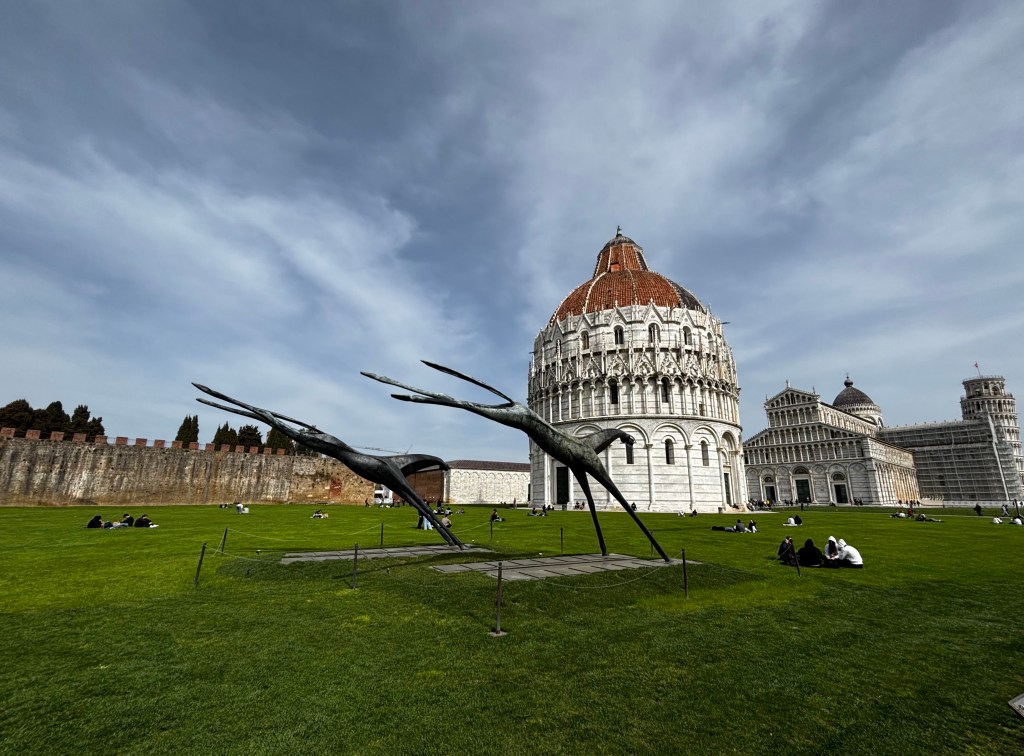
One of the most remarkable pieces of public art I have ever seen is Antonio Signorini’s sculpture, “The Flying Horses”. This is what the label says about it: “The Flying Horses embodies a challenge to the very concept of gravity: creatures suspended between sky and earth, in an impossible balance as if their very existence represented a declaration of defiance against the limits imposed by matter. These equestrian figures seem to soar between the stars and the atmosphere, drifting between dream and rea ity in a perpetual flight that transforms utopia into a sentry experience Their slender legs support the very idea of movement, as if lightness itself were a force capable of overturning physical laws, turning weight into momentum. The names of the two works are inspired by the brightest stars: Sun and Arcturus. Horses that traverse space and time like comets, crossing the night sky and challenging our ordinary perception of reality. An invitation to see the invisible, to question the boundaries of the tangible, where the impossible becomes possible through artistic intuition.” Signorini says: “My art is an act of faith in humanity’s ability to transcend the visible, to shape the lightness of thought into forms that defy the ordinary A journey where emotion becomes sculpture.”
The second day was intended to be easier with a massage and visit to Palazzo Blu Museum. It is a large house museum with a small permanent art collection and a couple of temporary exhibits. The current exhibits are about 900 years of the University of Pisa which was obviously created by bureaucrats; a small photo exhibit about Uganda; and an art exhibition called “Belle Epoque” about Italian painting in France from late 1860’s through to local impact. The latter was interesting and exposed my ignorance about these Italian painters but also making clear how much I default to a canon of paintings in the world’s major museums to understand this period. I kept thinking… thst looks like Manet…Monet…Renoir… Cassat.. Sargent etc.
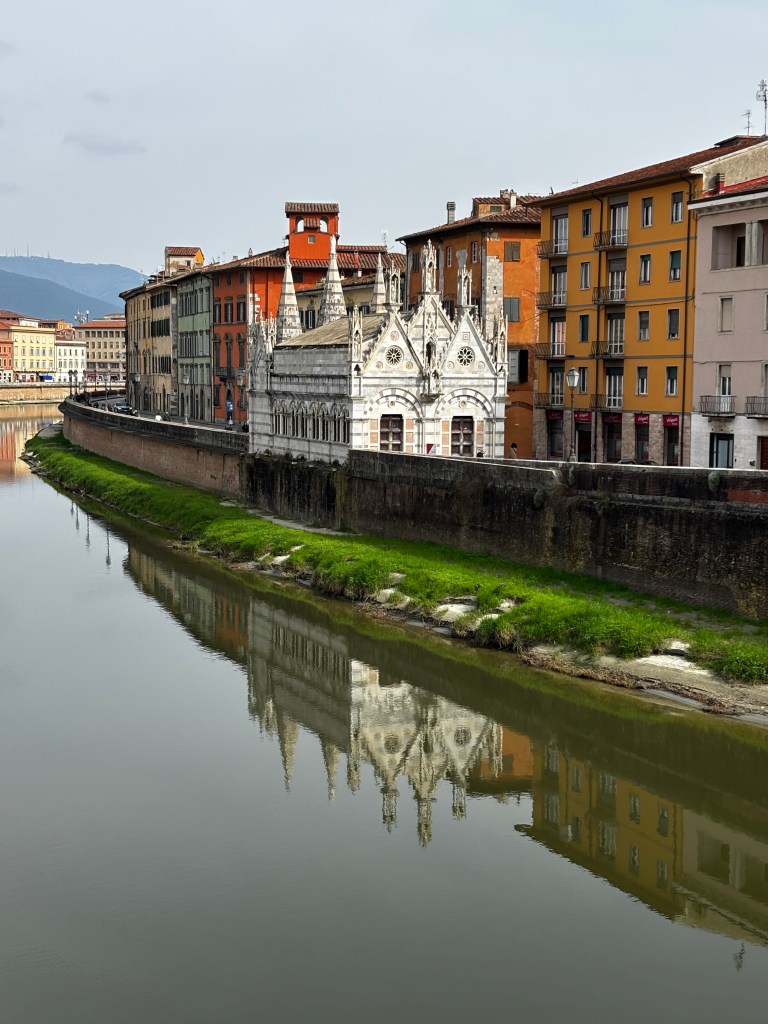
Back on the pilgrim trail, Pisa has the church where St Catherine of Siena received the stigmata (located beside Palazzo Blu). This is a story I have found personally challenging because the stigmata could not be seen. The sceptic in me wonders whether Catherine was, consciously or otherwise, trying to match the miraculous experiences of my friend Francesco. The analogies between them deserves a blog post!
This was a brilliant day but not I ended up walking more than I had intended.
© Paul McCarthy & Iluminar.au

