Kyoto — thousands and thousands of blessings
Travel | Sacred Travel | Japan
16 April 2024
Kyoto — Japan’s cultural heart, with 1,600 Buddhist temples and 400 Shinto shrines — and the final stop on my pilgrimage following St Francis Xavier. Ten thousand torii gates at Fushimi Inari, the Zen stillness of Ryoan-ji, and 1,001 golden Kannon. (8 min read)
I ended my visit to Japan in the imperial capital, Kyoto — the country’s cultural heart, a city of extraordinary spiritual density with more than 1,600 Buddhist temples and 400 Shinto shrines scattered in all directions. After weeks on the road it felt like the right place to finish my pilgrimage following the path of St Francis Xavier, and a welcome change of pace: three nights in a fancy but traditional Japanese hotel, tatami and timber and calm, tucked close to a surprisingly big and modern downtown.
Xavier’s story runs like a faint, almost-forgotten thread through Kyoto. He arrived here in 1551 imagining an audience with the ‘Japanese King’ would grant him freedom to spread his missionary work across the country. Instead he found a city torn apart by civil war: the Ashikaga shogunate in ruins, the imperial palace where Emperor Gonara resided literally falling down. He wanted to debate with the monks at Enryaku-ji on Mt Hiei and was denied entry. He then learned he couldn’t even see the emperor without suitable gifts, so after eleven bewildered days he simply left. As far as I can tell, there isn’t much attention to Xavier in Kyoto now. I visited the modern cathedral named after him, but it didn’t have any charge for me at all — unlike the small Buddhist temple I popped into on the way there, which quietly hummed with presence.
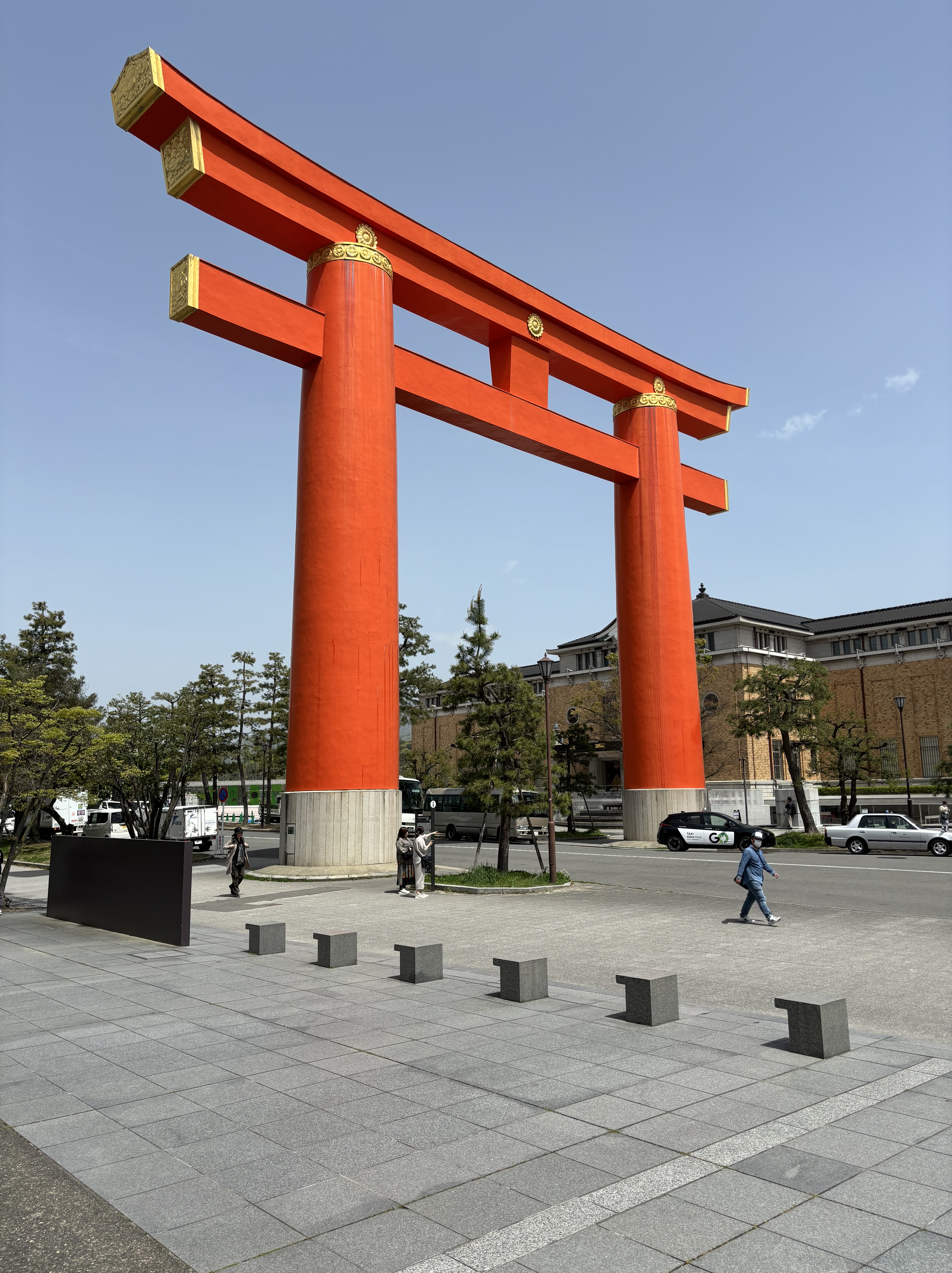
Most of my time was spent in the places where Kyoto still does what it has always done best: shrines, temples, gardens — many of them World Heritage listed. The beauty is so refined and so abundant that it’s hard to take a bad photo, even for me. My loose shrine-and-temple itinerary took me from Hirano-jinja and Shikichi-jinja through some of the greatest hits of Kyoto spirituality: Kinkaku-ji, the Golden Pavilion; Ryoan-ji with its austere rock garden; Tenryu-ji and the famous bamboo forest; Yasaka-jinja in Gion; the grave of Shinran Shōnin; Rengeōin (Sanjūsangendō) with its thousand bodhisattvas; the great mountain shrine of Fushimi Inari; and finally To-ji, with its five-storied pagoda and its vast, silent mandala of statues.
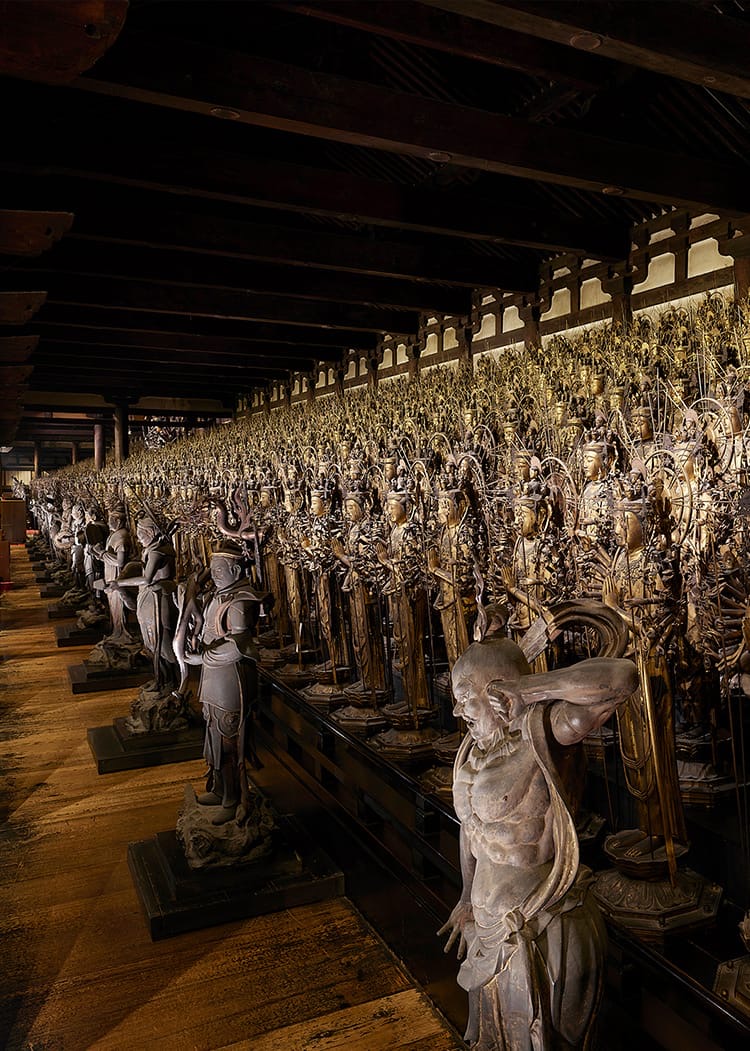
I began at Rengeōin (Sanjūsangendō), home of the 1001 statues of the Buddhist deity Kannon (Kwan Yin) and an array of fierce guardian deities. Spectacular doesn’t begin to describe it. The long hall smells faintly like church, all incense and age, and the ranks of golden figures glow in the dim light. You feel held in a forest of compassion. No photos are permitted, which feels exactly right: some things are meant to be received, not captured.
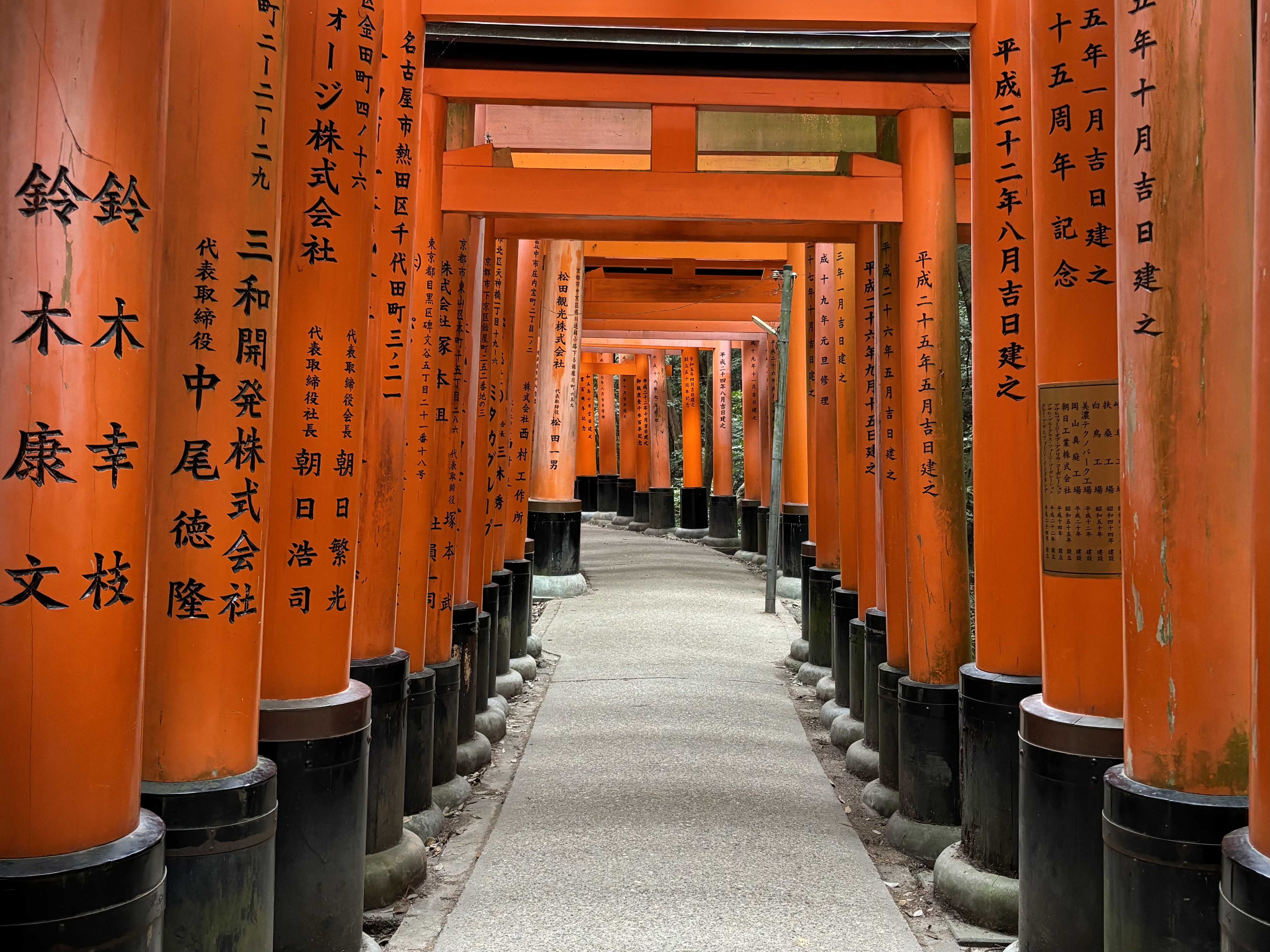
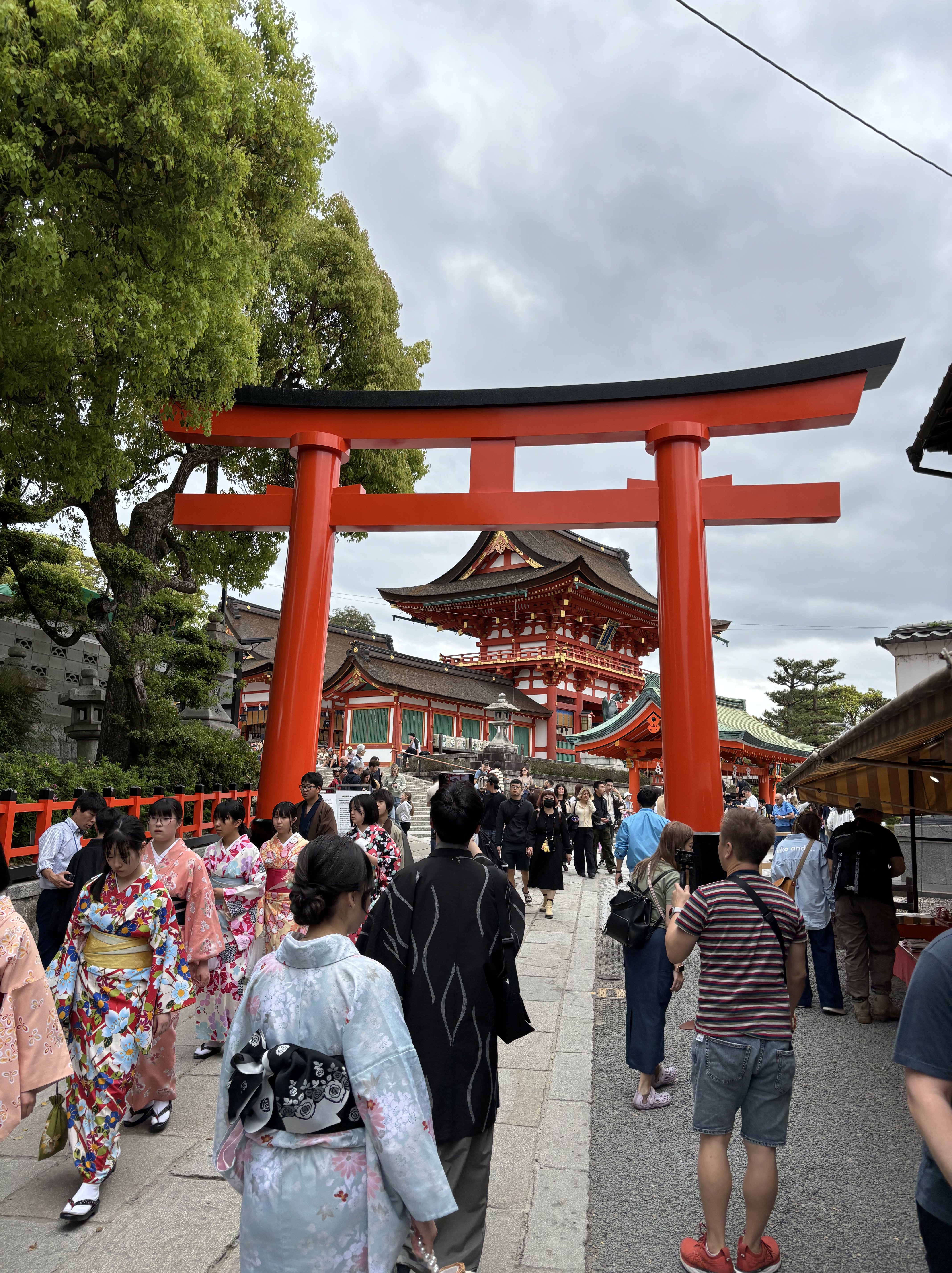
The highlight, though, was Fushimi Inari Taisha — the head shrine of Inari, the Shinto deity of rice, sake, foxes, industry and worldly success. Thousands of vermillion torii gates line the mountain trails behind the main shrine, each one donated by a person or a business as an offering, each one inscribed with the donor’s name and the date of the gift. The gates are so densely packed in places that they form tunnels of colour, the light filtering through in shifting patterns. Walking through them is a genuinely sacred experience. I walked through 10,000 of these gates all the way to the top of the mountain. On the way up I felt myself travelling deeper and deeper inward — like returning to source. On the way back down, one returns to earth; on the return side there are prayers that felt to me like soul promises, or at least potentialities, carried back into everyday life. The thousands of gates are sometimes described as thousands of prayers, or thousands of blessings. That felt exactly right. Regardless of one’s faith, it’s hard not to respect the vision and persistence it has taken to create and maintain this shrine.
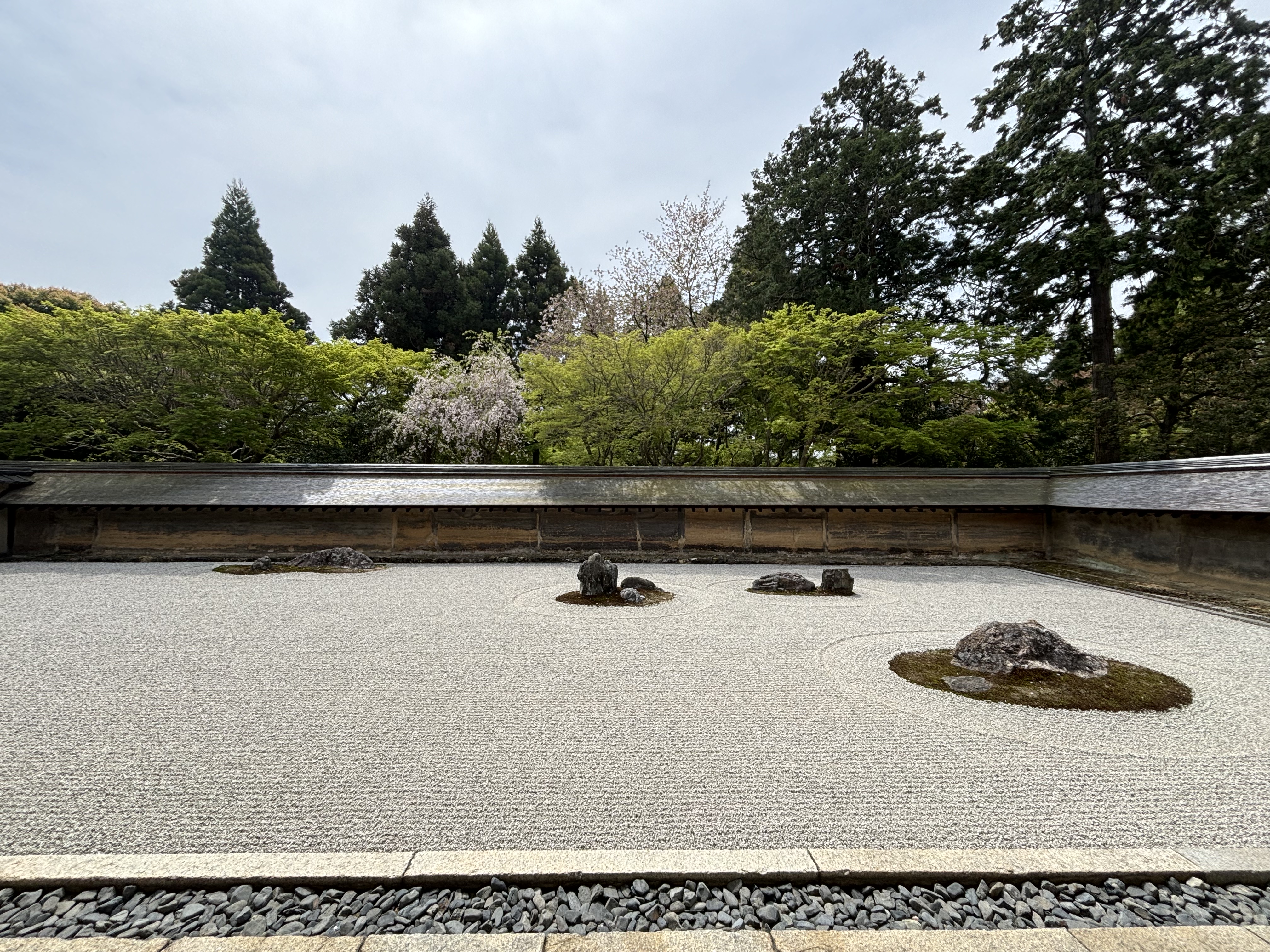
Ryoan-ji was a different kind of encounter: a lesson in how little you need to say everything. The famous Zen rock garden is simply a rectangle of raked gravel with fifteen rocks arranged in small islands. Fifteen rocks arranged in raked gravel. Simple. Inexplicable. Unforgettable. You sit on the wooden verandah with the other pilgrims and tourists, listening to the scrape of rakes, the murmur of voices, and something inside you gradually rearranges itself to match the quiet geometry in front of you.
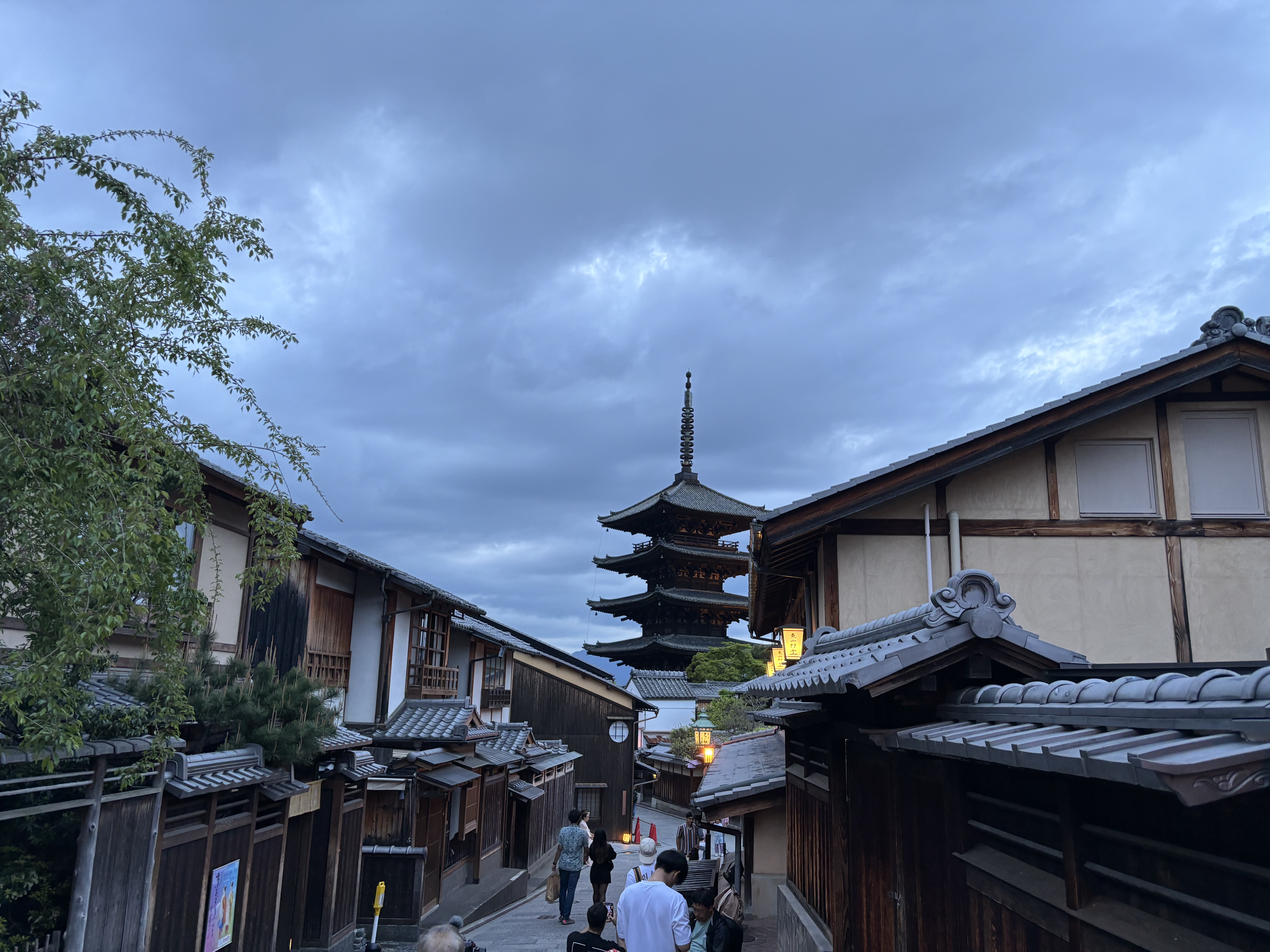
To-ji, my final major temple, is anchored by its five-storied pagoda (not to be confused with the ‘other’ pagoda in Gion that sneaks into my photographs as well). Beautiful as the pagoda is, the real power for me was in the Kodo, the lecture hall, where 21 huge statues are arranged according to a Shingon Buddhist mandala representing the world of enlightenment. Again, no pictures allowed. You stand there surrounded by this three-dimensional map of awakening and realise, somewhat uncomfortably, how small your own concerns are.
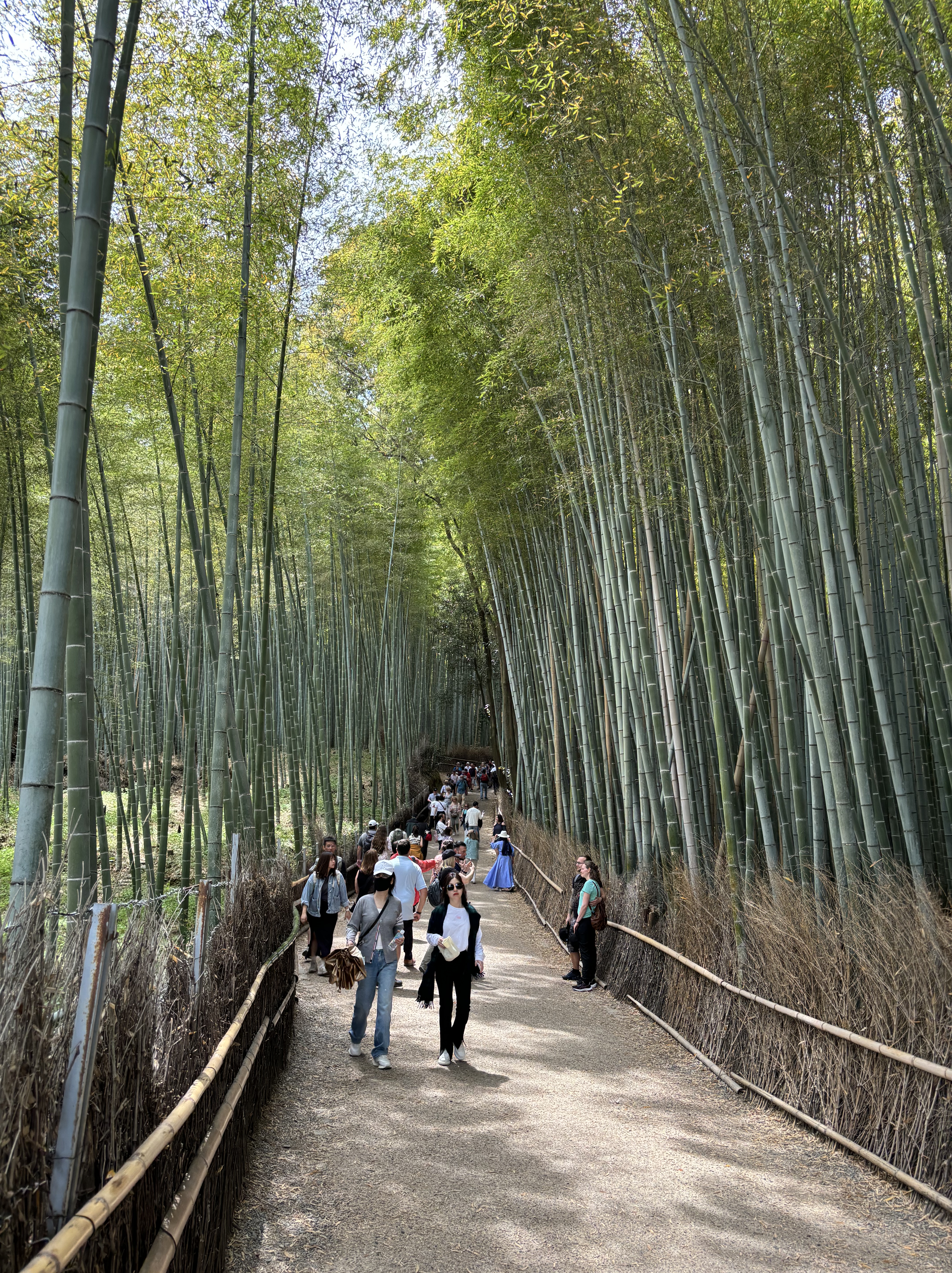
Between these anchor points there were countless smaller moments: walking under the trees at Tenryu-ji and through its bamboo forest, watching tour groups funnel through Yasaka-jinja, pausing at the grave of Shinran Shōnin, following narrow streets past corner shrines that probably have more history than my entire country. Kyoto rewards the slow traveller. The more time you give it, the more it gives back.
I walked 20km each day and could not have managed that so easily at the beginning of my trip. In between temple visits I feasted on beautiful organic vegan food, did a little shopping and wandered around Gion, watching the choreography of tourists, locals and the occasional geisha slipping past. On one day I broke up the shrine marathon with a walk around Nishikyo, on the edge of the city, and had a great lunch with some really nice Japanese vegan lesbians recommended by Holy Cow. Pilgrimage may be about spirit, but it runs better on good vegetables and warm human company.
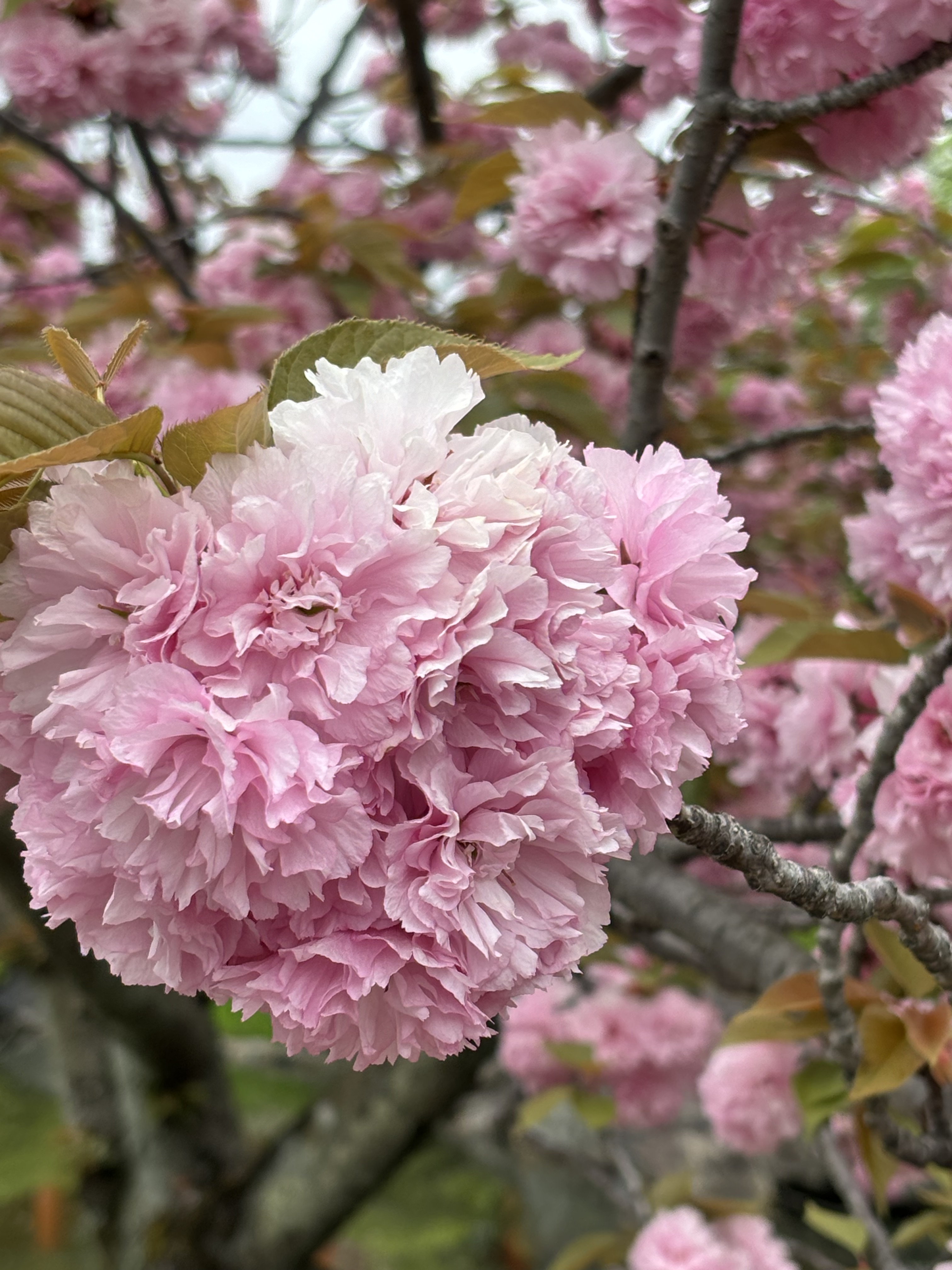
There were lots of people, men and women, dressed in traditional costume, and even more staging themselves among the cherry blossoms. I’m told the Japanese are not offended by it, but I’m offended by the big fat white ones dressing up as if the city is their personal Disneyland. Kyoto has survived war, fire and neglect; it will probably survive Instagram too, but some days the test feels closer than others.
Kyoto is big, and the sacred sites are scattered to every point of the compass, so even with the efficient trains and buses it’s a tiring place to explore. Each night I was grateful to return to my very traditional, very lovely hotel room, slide the shoji closed on the neon and noise outside, and let my body catch up with my soul. I arrived following Xavier’s restless footsteps and left with something he never quite found here: a sense of quiet blessing, of having been received. Namaste.

© Paul McCarthy & Iluminar.au

