Gyor, Hungary
Our Lady Consoler of the Afflicted, the weeping icon of 1697, and an unexpected Marian pilgrimage site between Vienna and Budapest. (4 min read)
Just when we thought our 206 tour was over we had some unexpected company for lunch today – St Ignatius of Loyola and the Virgin Mary.
We had stopped in the little town of Gyor about half-way between Vienna and Budapest. This medieval town is charming, with a large pedestrian zone in the old town and buildings in pastel colours. The main square is dominated by an imposing church which our guide said was Franciscan but it was obviously Jesuit… and dedicated to St Ignatius of Loyola. A photo of the church and the main altar painting are below. The church was built between 1633 and 1641 and the design was influenced by Il Gesu in Rome. The altar painting was done by Viennese artist Paul Troger.
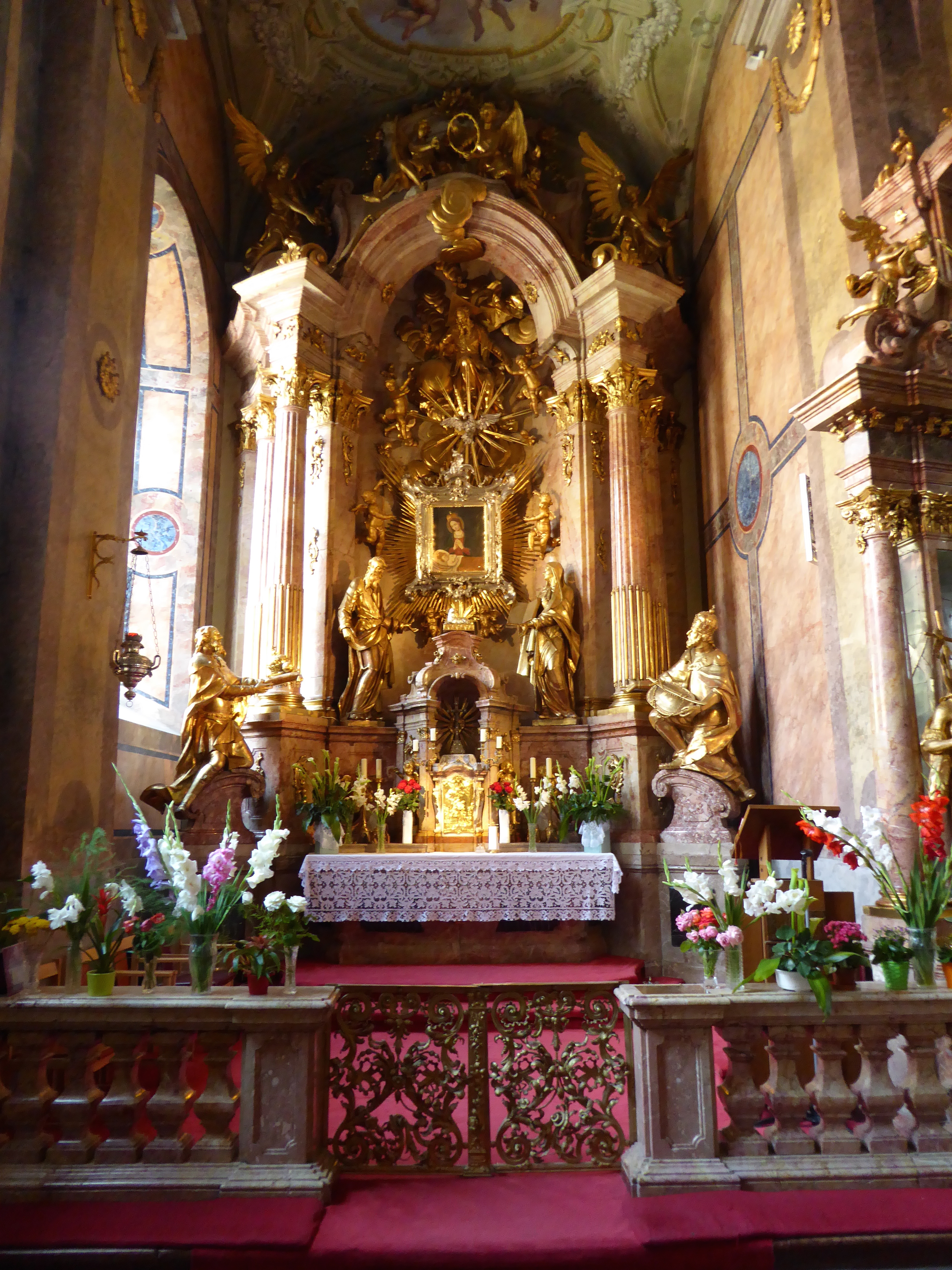
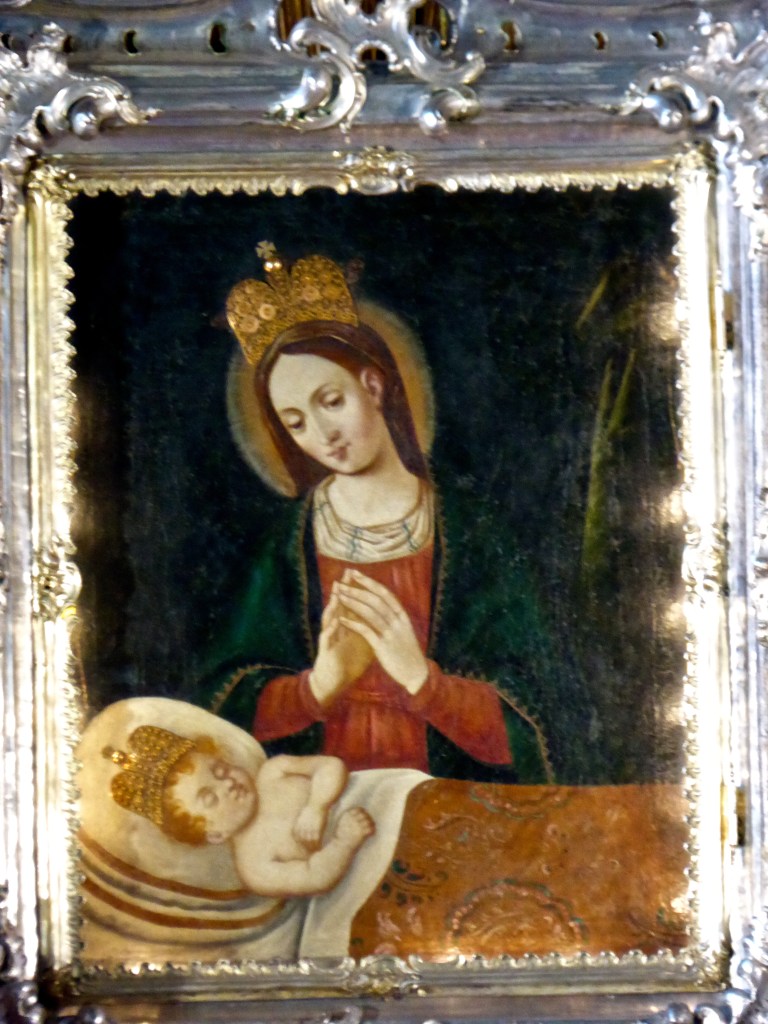
After lunch we went walking through the town and seemingly unwittingly had found ourselves at a major Hungarian and Irish Marian pilgrimage site. The significance of the sight is a painting of the Madonna and Child that was brought from Ireland by an Irish priest in the 1650s. The priest was compelled to leave Ireland because of the persecution of religious in that country. The priest was invited to Gyor and served the community there for about 5 years. As he was planning to return to Ireland he died unexpectedly and the painting was hung in a side chapel of the Cathedral in his honour.
Early on the morning of March 17th, 1697, as Mass was being offered in the Cathedral, what appeared to be tears of blood were noticed on the painting of the Madonna. The tears continued for three hours and many people, including the local Protestant minister and Jewish rabbi, witnessed the event. At one point, the painting was taken down and examined to assure that there was no physical explanation for the occurrence. It was wiped clean with a linen cloth. The blood stained cloth remains preserved in the Cathedral. On the day before, March 16, 1697, the Irish Parliament in Dublin had convened and their first act was to consider and vote upon the passage of the Banishment Act, or as the act was titled: An Act for banishing all Papists exercising any Ecclesiastical Jurisdiction, and all Regulars of the Popish Clergy out of this Kingdom. The law ordered the banishment of all bishops, priests and religious from Ireland. Returning would mean punishment by transportation. If they returned again they would be charged with treason, for which the penalty was death. It is generally considered that Mary was weeping for the clergy and people of Ireland. The picture was removed from display until 1708, when the miracle received official ecclesiastical approval.
Since the miracle the Cathedral has continued to be a site of pilgrimage for the Hungarian people. The painting was given the title Our Lady, Consoler of the Afflicted. In 1947, the 250th anniversary was celebrated, when it is estimated 100,000 pilgrims visited the shrine. In 1979, the Cathedral of Gyor was made a Basilica. You will find some of my photos of the basilica and one of the miraculous painting below.
Namaste
© Paul McCarthy & Iluminar.au

